Bench lots, slopes and the water on them
Concrete Contractor in Sandy, Utah
Walkouts, retaining walls, sloped driveways, patios and repairs for hillside lots. Ask for a free quote.
Sandy, Draper, Cottonwood Heights, Midvale, Alpine, South Jordan and 30 more towns
Tell us about the lot and the project
Describe what you want built or repaired, a rough size and how the yard slopes. A phone call follows to discuss the grade and plan a visit to the property.
- Free quotes
- Sloped and bench lots
- Drainage planned first
- Homes and businesses
A sentence about the slope helps. Quotes are free.
Concrete on a hill starts with where the water goes
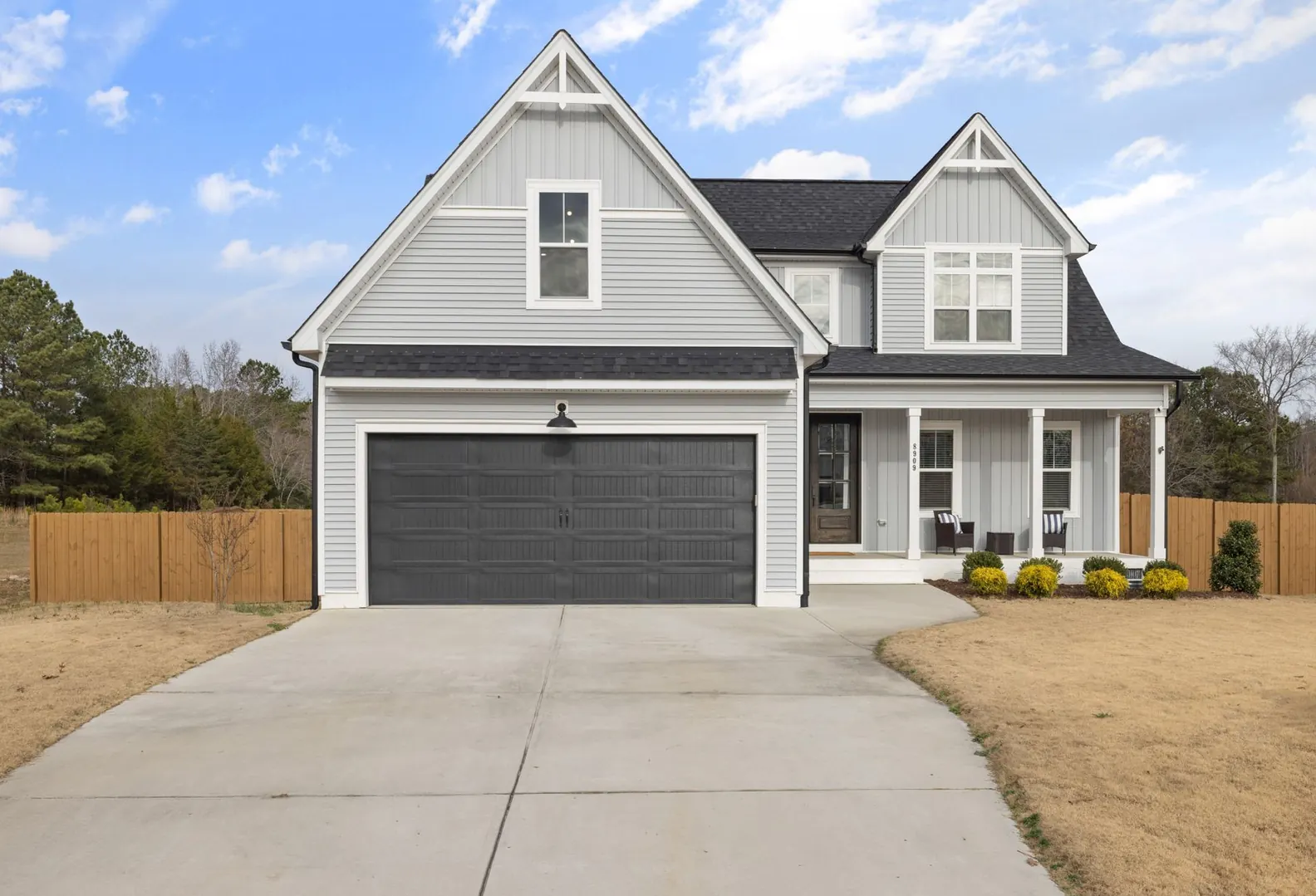
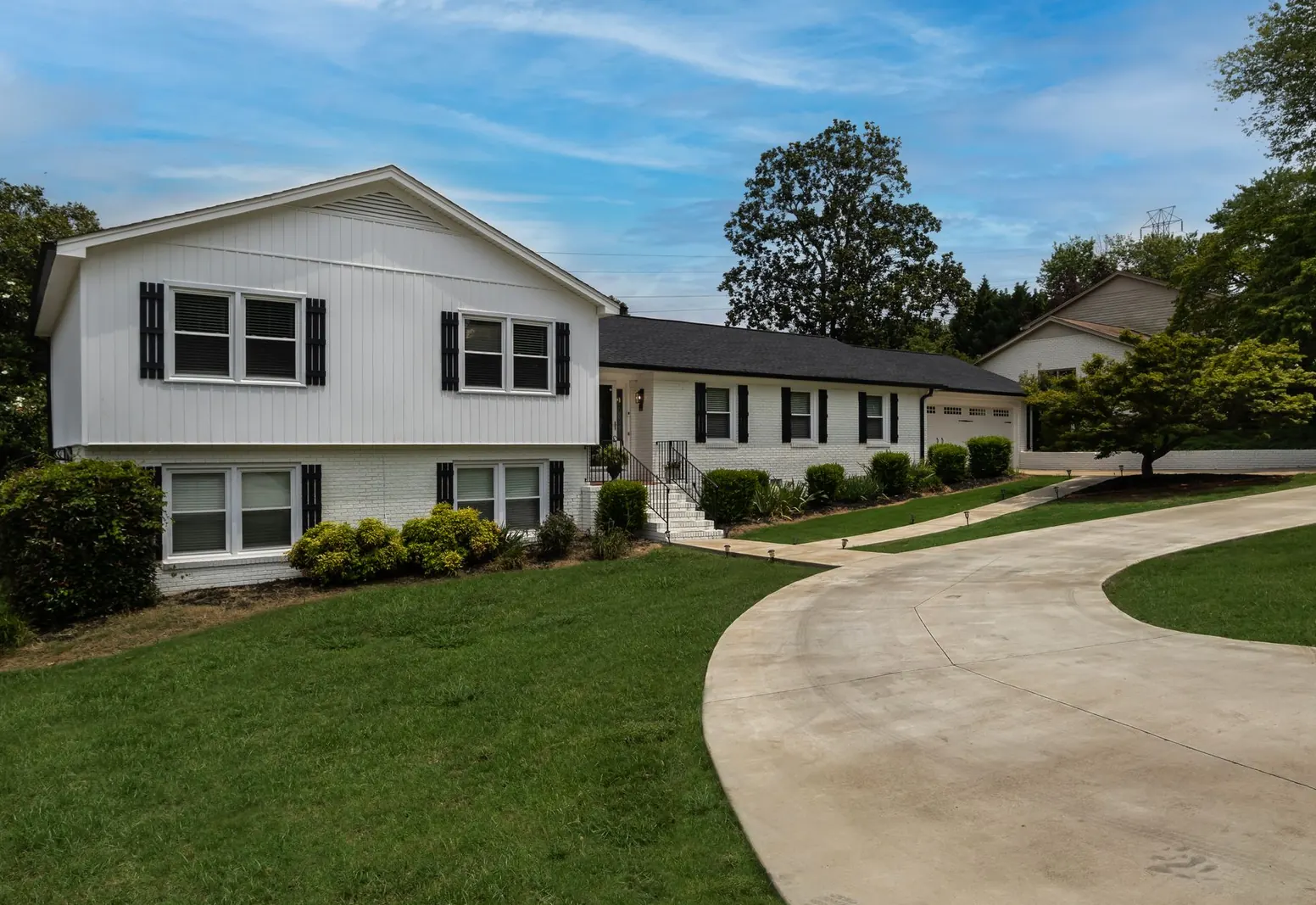
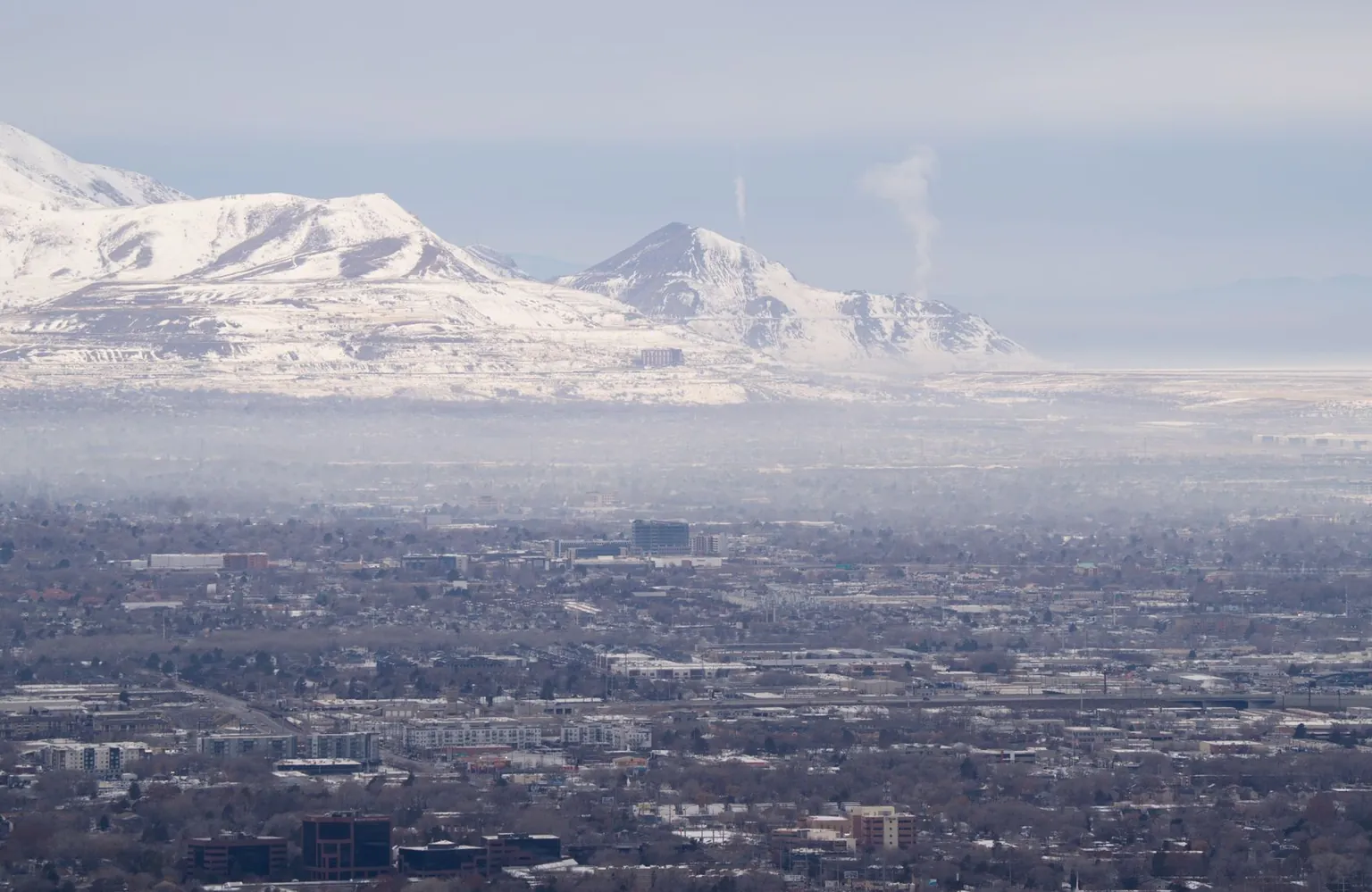
Sandy climbs from the I-15 corridor east to the bench below the Wasatch, toward the mouths of the Cottonwood canyons, and a lot of homes sit somewhere on that rise. A sloped lot hands you a view across the valley and a basement that could open onto the yard. It also hands you a backyard that tilts, a driveway that has to climb or drop to reach the garage, and water that always arrives from somewhere above you. Sandy Concrete Contractor takes quote requests for the concrete that makes those lots work: walkout basements, retaining walls, driveways on grade, patios, stamped surfaces and repair.
The first thing worth doing on any hillside project is to stand on the lot and read it. Where does snowmelt from the uphill neighbor end up? Which corner stays soggy into June? Where would a summer cloudburst carry water if this ground were paved? Concrete soaks up nothing, so every slab on a slope either sends water somewhere useful or sends it toward the foundation. Drains, curbs, swales, the pitch of each slab and the gravel behind each wall all follow from those answers, and they get settled long before anyone talks about color or pattern.
The ground itself varies across the area. Much of the valley floor is old lake bottom, the fine silt and clay that Lake Bonneville laid down, while bench and foothill ground tends toward gravel and old shoreline deposits, and some of those soils can lose volume when they get soaked. New subdivisions add fill that keeps compacting for years. So every quote here covers what sits under the concrete, how deep the footings go for frost, the steel and joints in the slab, and the path water will take once the work is finished. Finishes come last, as they should.
Good to know
What a hillside teaches you about concrete
Water arrives from uphill
On a slope, your yard collects whatever the lots above it shed. Before pouring anything, decide where that runoff gets caught and carried, whether by a swale, a drain or the pitch of the slab itself.
Walls fail from water, not dirt
Saturated soil pushes far harder against a wall than dry soil does. A column of washed gravel against the back of the wall, with a perforated drain line along its heel that empties to daylight, bleeds that pressure off before it builds.
Frost reaches deeper up high
Most valley footings are dug about 30 inches deep, yet a lot perched high on a bench or near a canyon mouth can need more. The building department sets the number, and it is confirmed before the excavator arrives.
Steep driveways need grip
A driveway with real pitch gets a coarser broom texture across the slope, and the transitions at the street and garage are shaped so bumpers clear them. A trench drain at the garage helps when the drive falls toward the house.
Concrete for sloped lots
Six ways to make a sloped lot usable
Each service below is planned around grade, drainage and the ground beneath it, whether the lot is level or steep.
Driveways
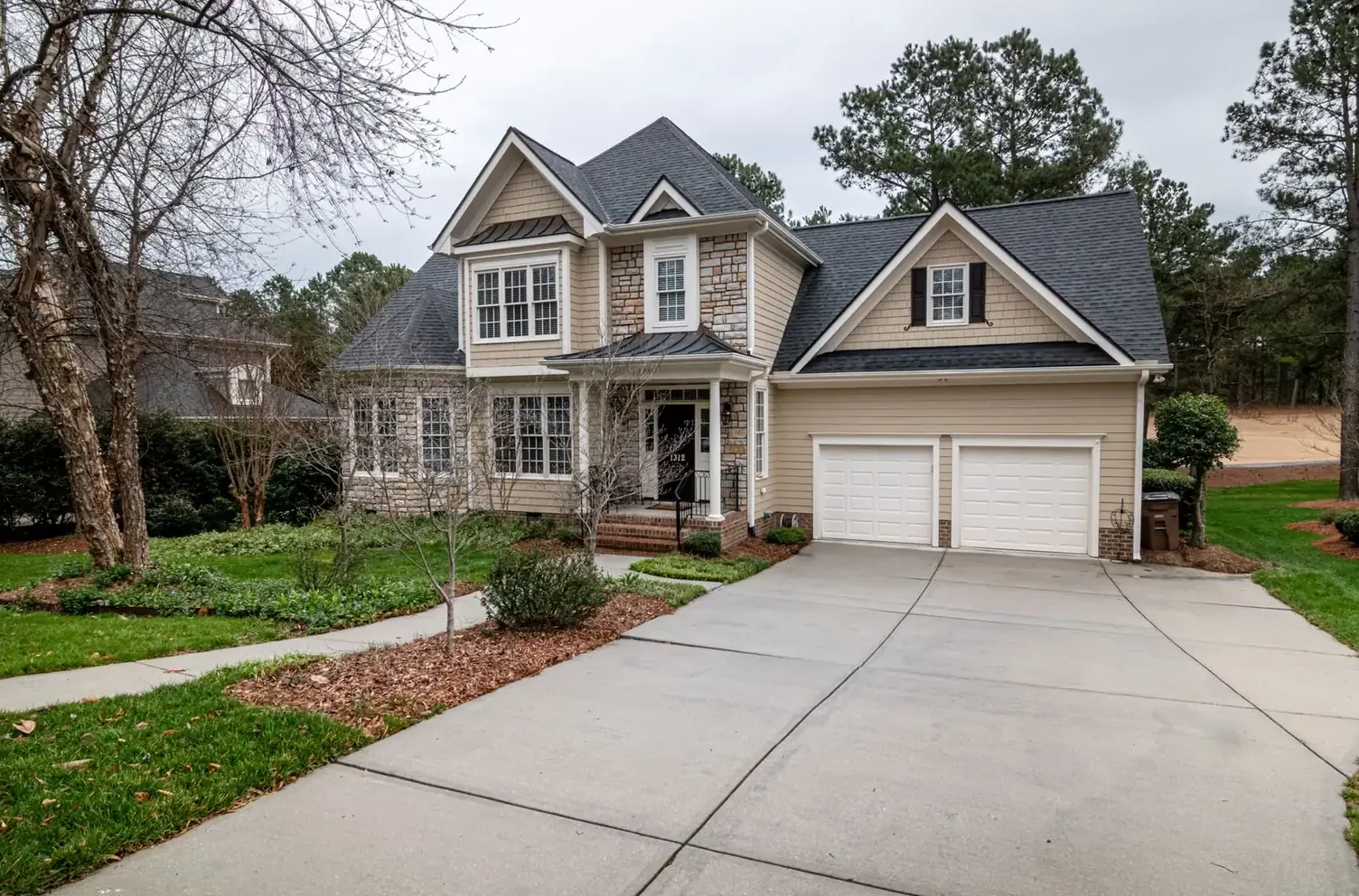
New and replacement driveways on any grade, with transitions that do not scrape and drains that keep water out of the garage.
More on driveways
Patios
Patios cut into slopes, built up behind walls or set at the walkout level, drained so water never heads for the house.
More on patios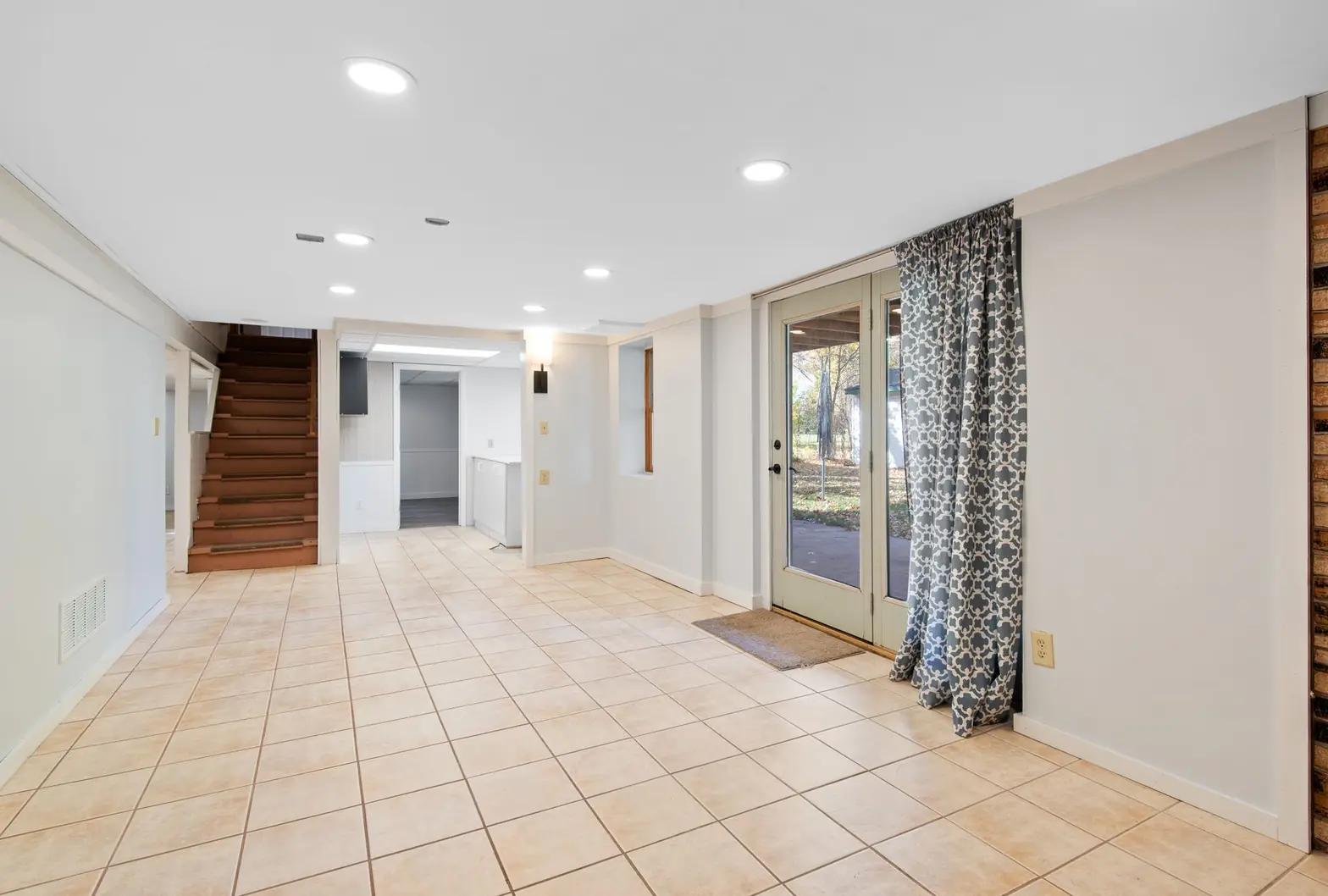
Walkout Basements
A new doorway through the foundation, a dug-out stairwell or graded yard, footings, drains and walls on both sides.
More on walkout basements
Retaining Walls
Block and poured walls that terrace a slope, hold a driveway edge or frame a walkout, with drainage behind every one.
More on retaining walls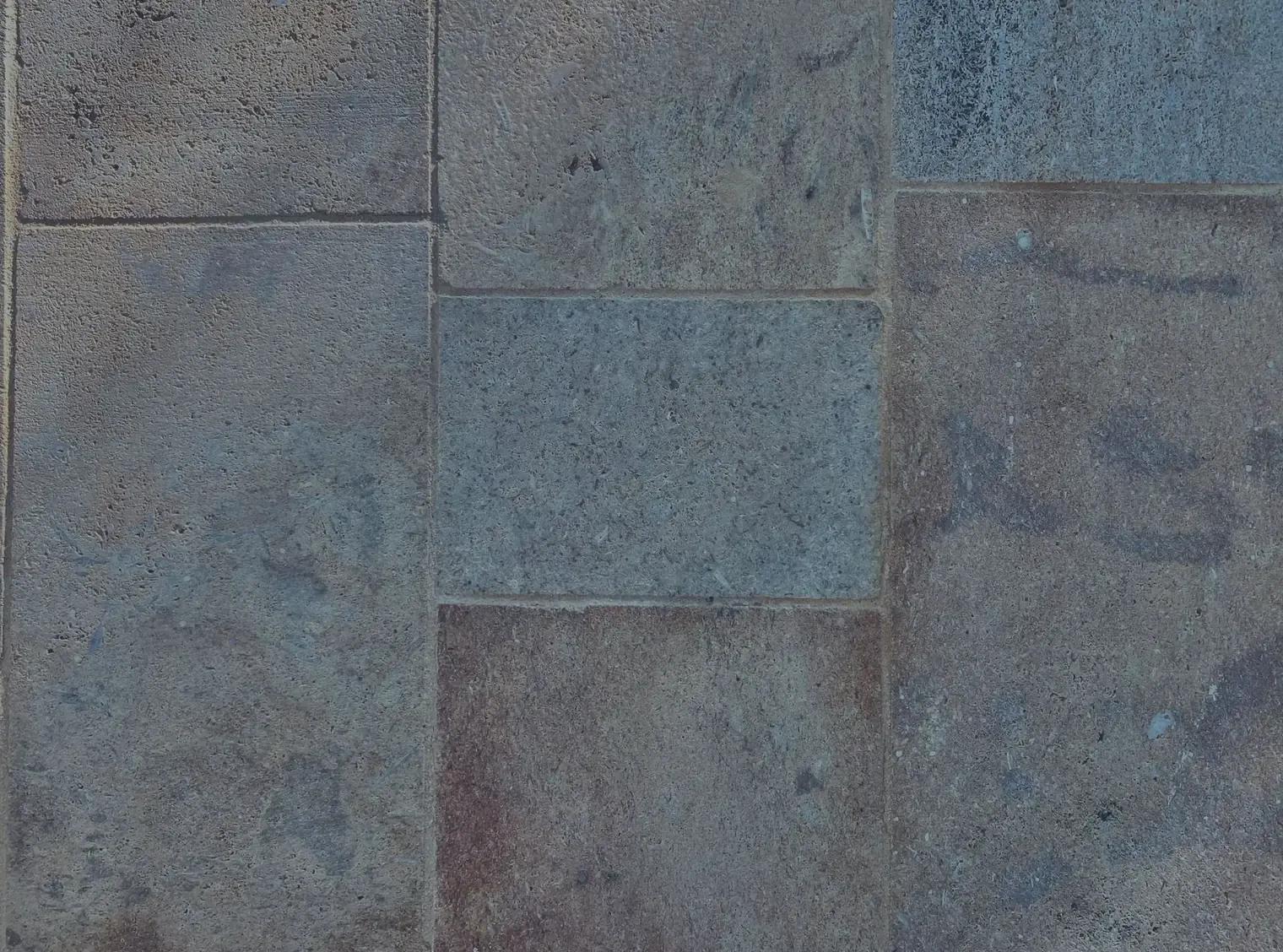
Stamped Concrete
Stone, slate and plank patterns in colored concrete, with traction built in for steps, slopes and walkout landings.
More on stamped concrete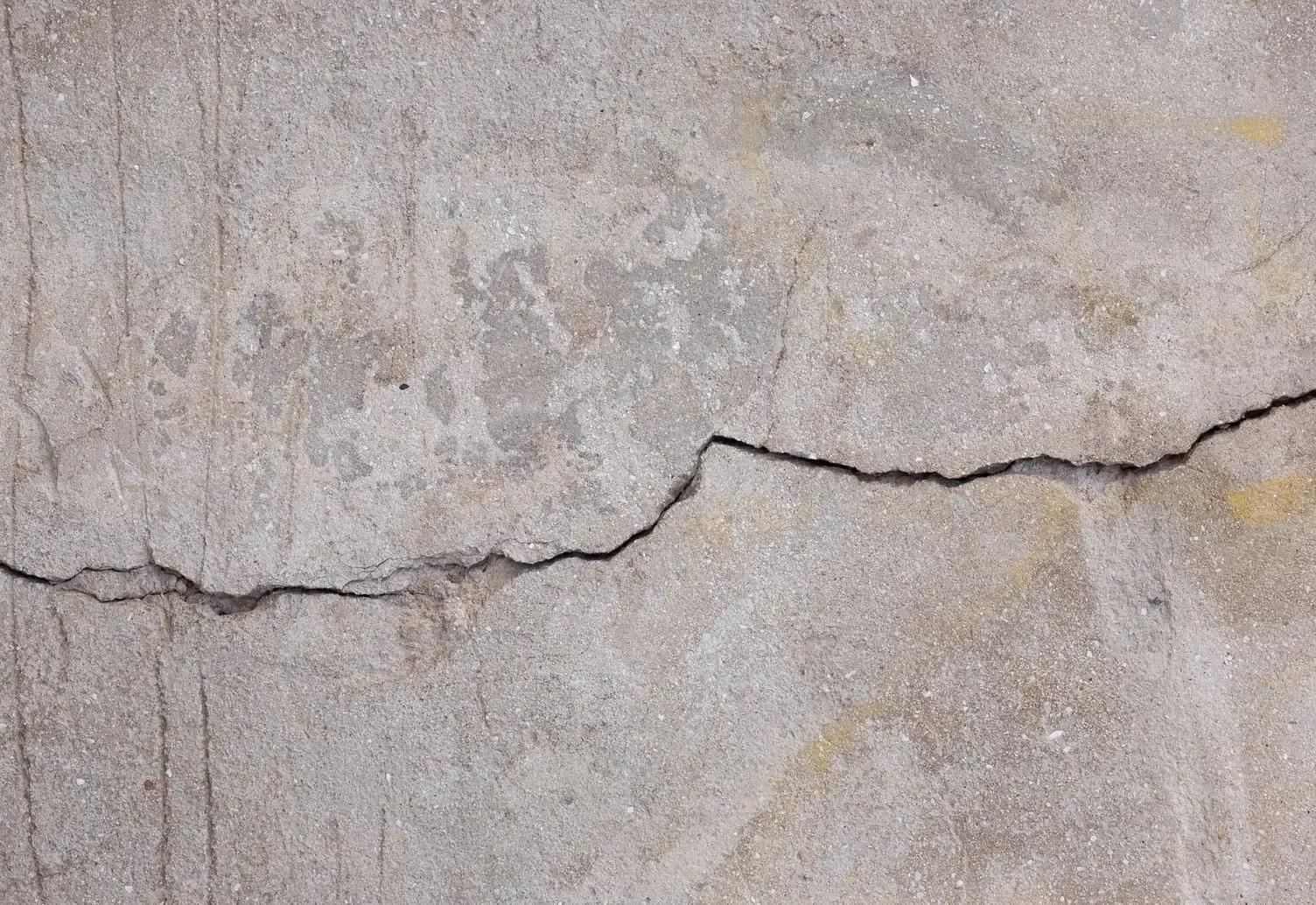
Concrete Repair
Lifting sunken slabs, sealing cracks, resurfacing flaked concrete and fixing foundation cracks, starting with the cause.
More on concrete repair
Questions
Questions about building on a slope
How do Utah winters affect concrete on a sloped lot?
Slopes concentrate the problem. Snowmelt runs downhill, gathers at the low edge of a slab or against a wall, and freezes again overnight, dozens of times a season. Air-entrained concrete, footings below frost depth (about 30 inches in most of the valley, sometimes more on high benches), steady drainage and no de-icing salt on new work the first winter keep that cycle from prying things apart.
Will my project need a permit, an engineer or HOA sign-off?
Walkouts nearly always do, since sawing a doorway into a foundation wall means installing a header, and building departments usually ask for an engineer's letter describing it. A retaining wall tends to cross into engineered territory past roughly 4 feet, or sooner when a driveway, a building or more hillside bears down on it from above. Driveway approaches need a city permit, many HOAs want to see plans first, and nobody digs until 811 has had the utilities marked.
What determines the price of concrete work on a hillside?
Grade is the big one, because slopes add excavation, forming and often walls. After that come access for equipment and the concrete truck (a pump may be needed when the truck cannot reach), drainage work, engineering and permits, how much old concrete comes out, and the finish. A walkout or a tiered wall involves far more steps than a flat patio of similar size.
Which towns do you cover besides Sandy?
Thirty-five towns around Sandy, among them Draper, Cottonwood Heights, Midvale, Murray, Holladay, Millcreek, South Jordan, Riverton, Herriman and Bluffdale in Salt Lake County, plus Alpine, Highland, Lehi and American Fork to the south, Salt Lake City to the north and Tooele to the west. Each town has its own page under service areas.
Can walkouts and walls be built in winter?
Often, yes. Footings, foundation cuts and walkout work carry on through the cold months with protected subgrade, heated or blanketed pours, and a firm rule against pouring on frozen ground. Driveways, patios and stamped surfaces are mostly poured from spring through fall. On site, most projects run from several days to a couple of weeks, depending on excavation and engineering.
Can a patio be built on a sloped backyard?
Yes, usually by cutting into the slope, building the low side up behind a retaining wall, or a mix of both. A patio on fill needs that fill compacted in thin layers so it does not settle later. The slab still falls gently away from the house, with a place for the water to go at its low edge.
Why do slabs on hillside lots crack or sink?
Nearly always because of water underneath them. Runoff from above, a downspout emptying at the slab edge, or soil that settles once it is soaked can let a section drop or tip toward the house. Fixing the water first, then lifting, repairing or replacing the concrete, keeps the problem from coming back.
Examples
Walkouts, walls and slabs on sloped lots
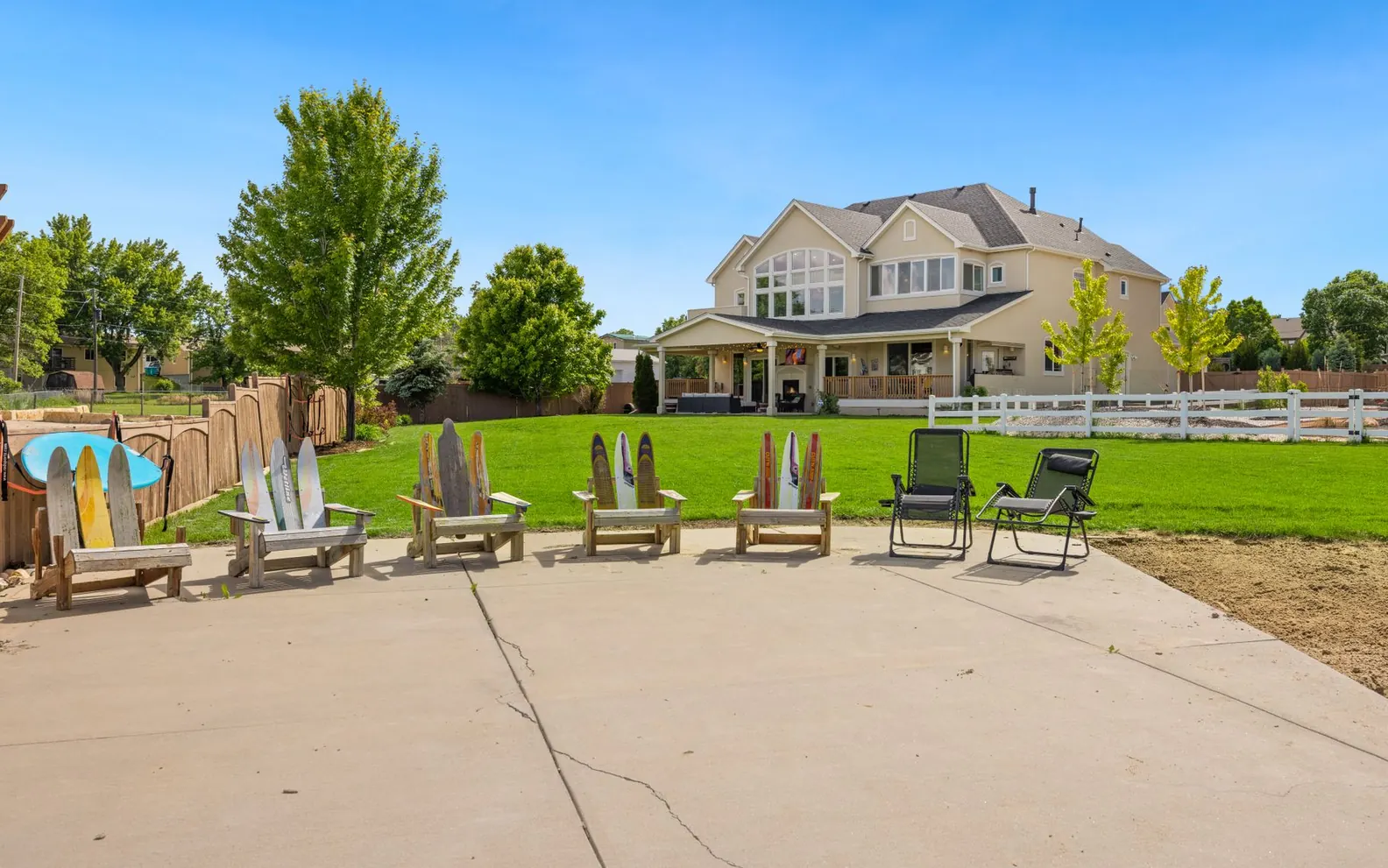
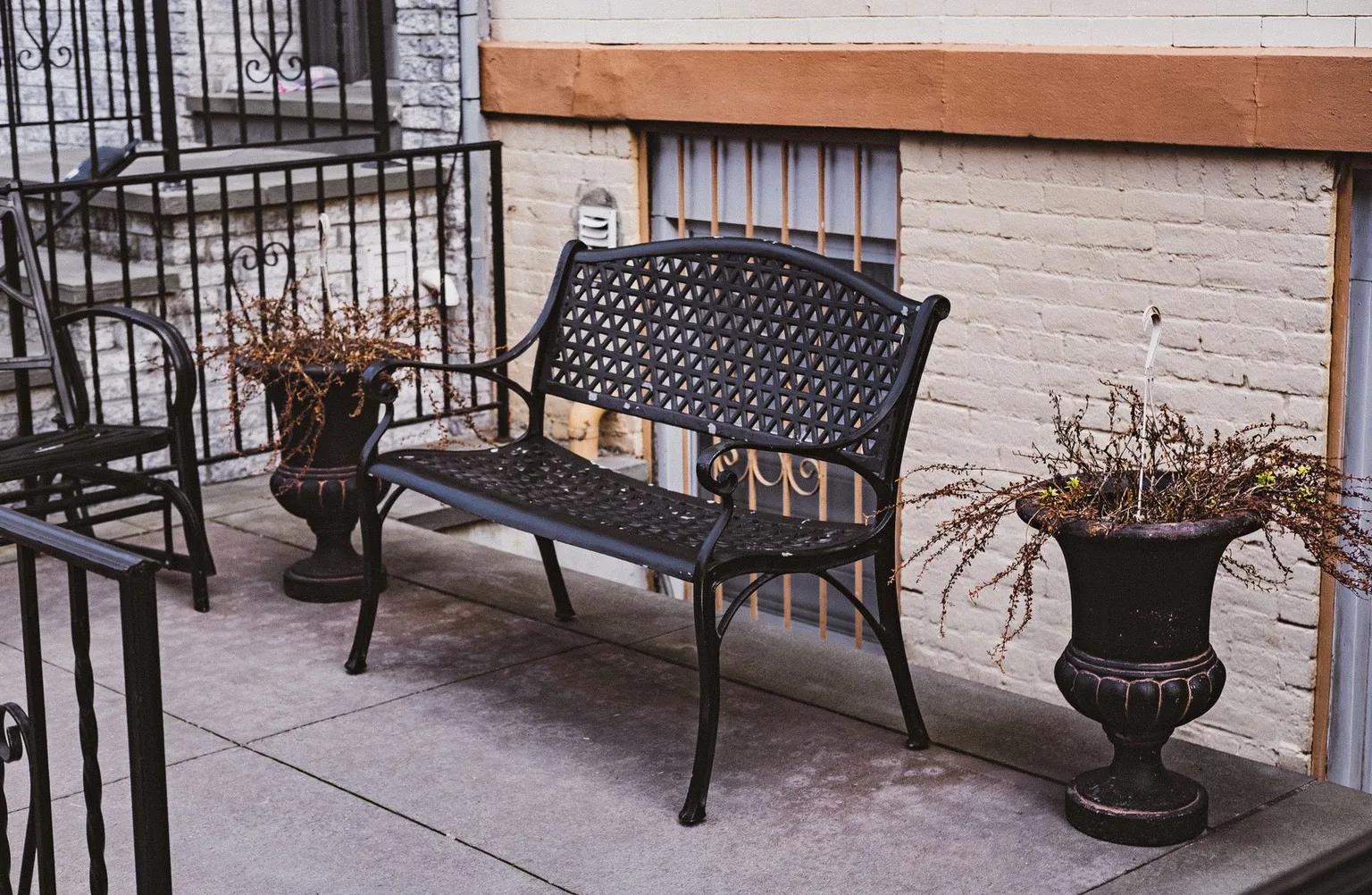
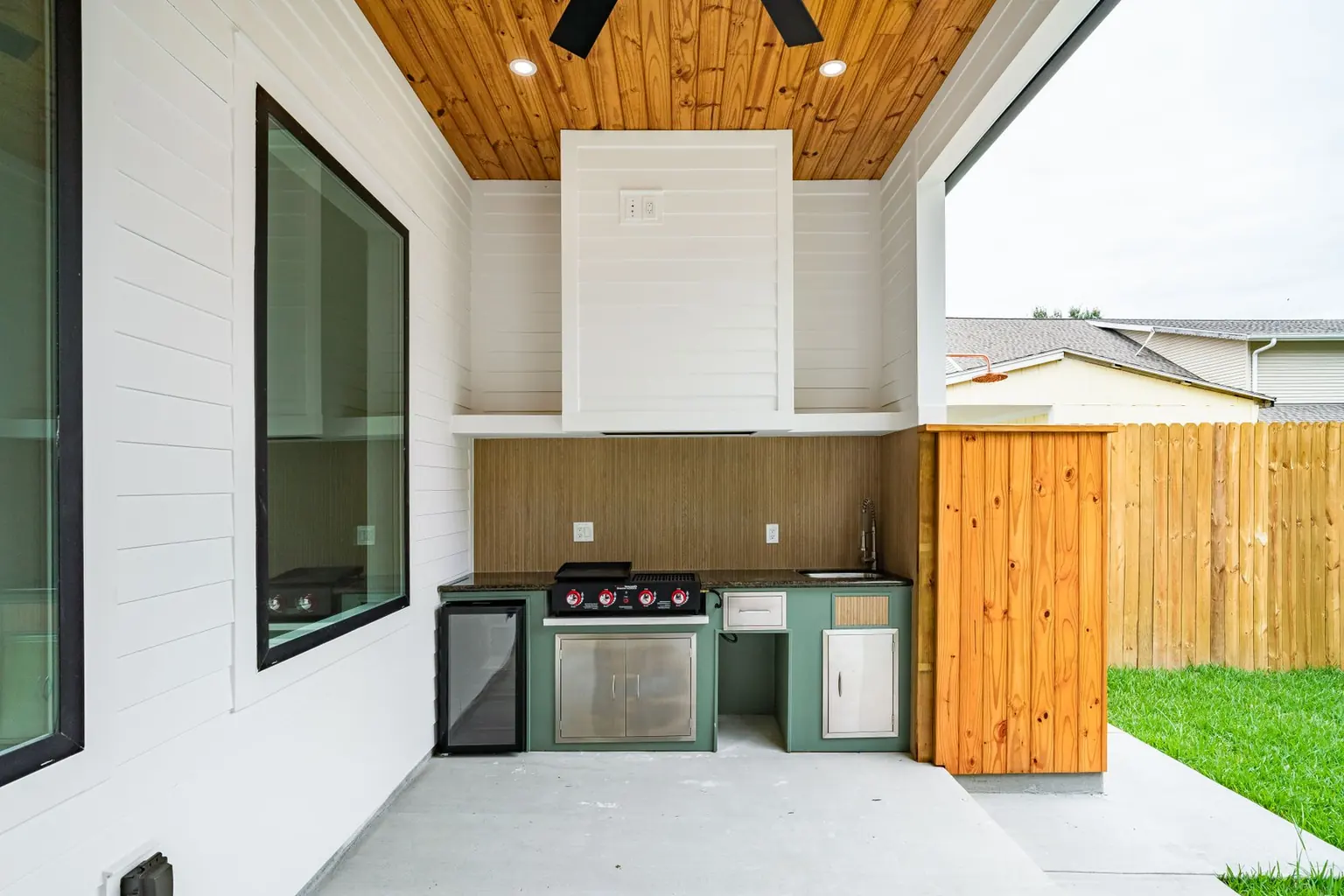
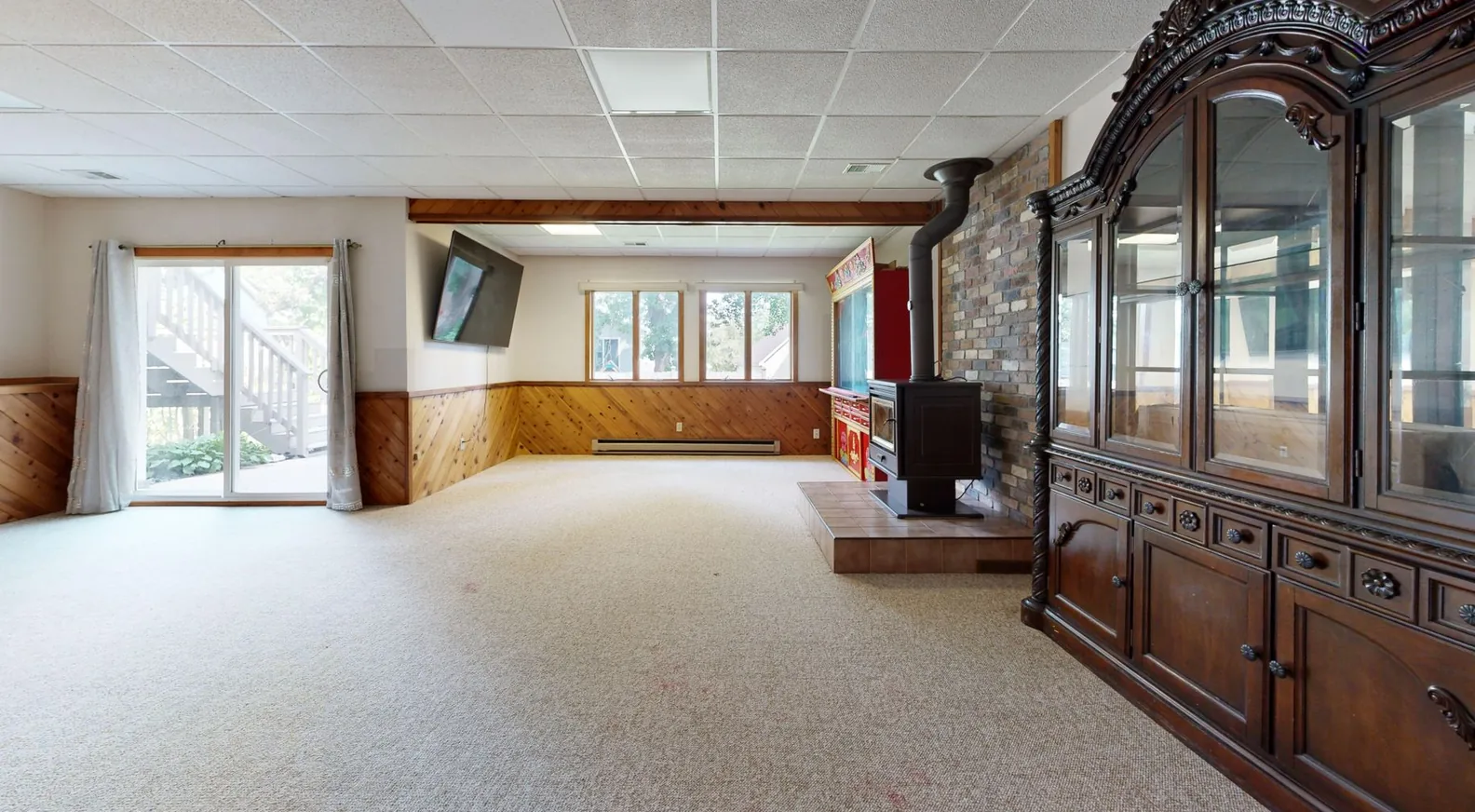
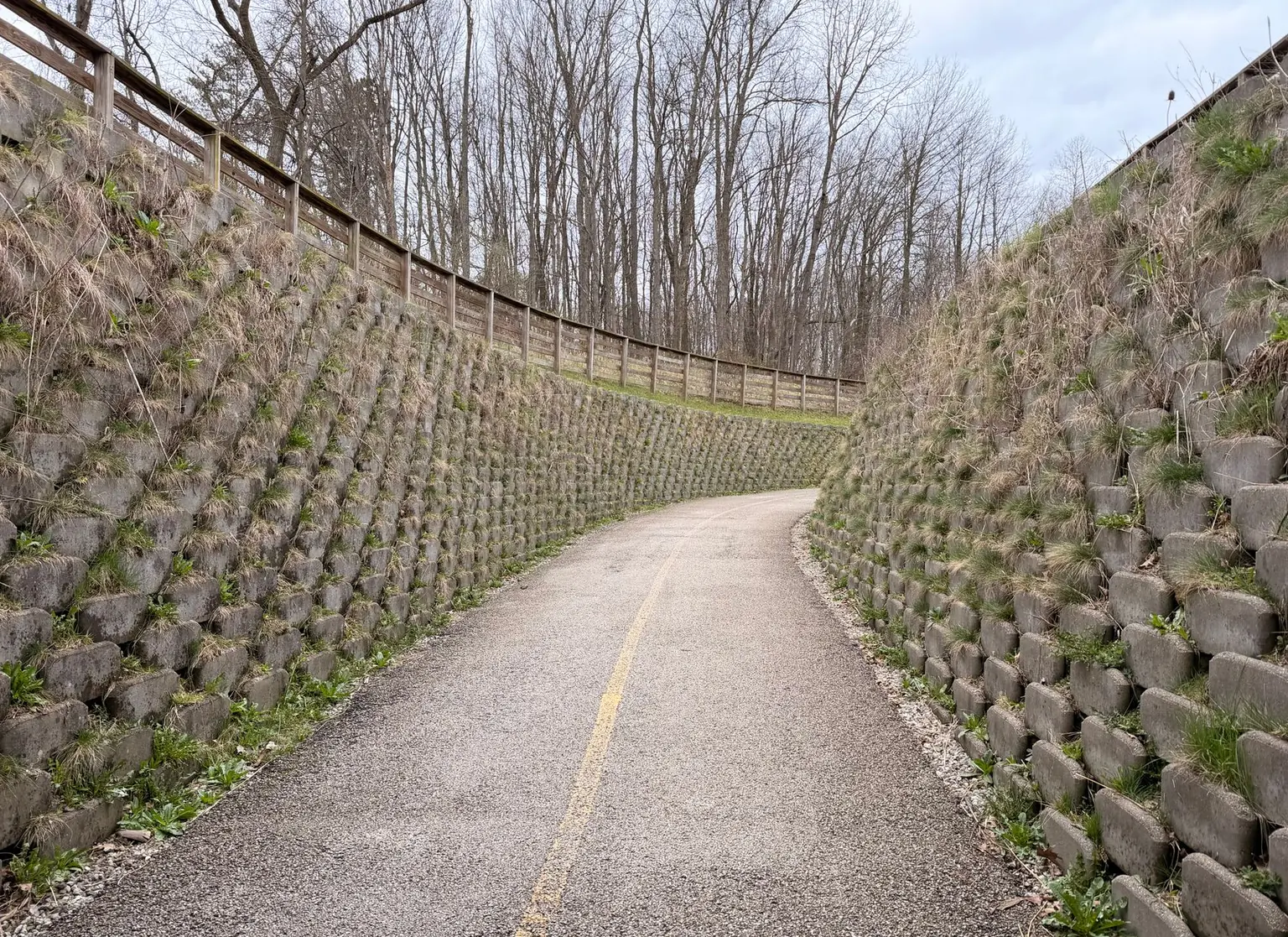
Stock photos: examples of the work type.
How it works
How a hillside project is planned
- 1
Describe the lot
Phone in or use the form to describe the project, then add a word about the slope: which way it falls, how steep it feels and where water collects.
- 2
Walk it together
The contractor comes out to measure grades, trace drainage paths and check access for an excavator and the concrete truck.
- 3
Settle engineering and permits
Walkouts, tall walls and anything holding up a driveway often call for engineering and a building permit, and those are sorted before digging.
- 4
Build from the bottom up
Excavation, footings, drains and base come first, then walls and slabs, with each pour cured before any load goes on it.
Service area
Sandy and the 35 towns around it
Quotes cover Sandy and the benches and valley towns around it, from Cottonwood Heights and Draper to Alpine, Lehi, Salt Lake City and west to Tooele.
Salt Lake County
Utah County
Tooele County
Tell us about the slope, and we will start there
A few sentences about the project and how the lot falls are enough to begin a free quote.